The Potato Disease Information & Service Hub (P-DISH) is a collaborative platform developed to serve potato growers, extension agents, and researchers. P-DISH is designed as an information-sharing and service hub that integrates disease monitoring, image-based intelligent diagnosis, sample diagnosis services, and risk forecasting to support timely decision-making in potato production.
The platform collects and organizes real-time data from field observations, laboratory diagnostics, and predictive models, providing site-specific insights on disease occurrence and management recommendations. P-DISH also hosts extension articles, educational resources, and a community-driven reporting system, allowing users to contribute disease occurrence data and access curated knowledge.
P-DISH is accessible via web browsers on desktop and mobile devices (iOS and Android), with a user-friendly interface for managing accounts, uploading samples, and receiving personalized information. By combining monitoring, diagnosis, forecasting, and service delivery, P-DISH serves as a comprehensive and practical tool to help reduce potato disease impact and improve production sustainability.
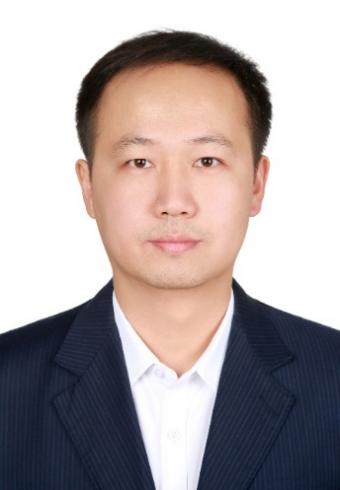
Dr. Feiyue Cheng received his Ph.D. from the Institute of Microbiology, Chinese Academy of Sciences. His research focuses on fundamental studies of prokaryote‑phage interactions, including microbial anti‑phage immune mechanisms such as the CRISPR‑Cas system, as well as the development of molecular tools for CRISPR‑based gene editing and gene regulation in microbes.
He has published a series of research papers in high‑profile international journals including Science, Nature, Cell Host & Microbe, and Nucleic Acids Research as (co‑)first or corresponding author. He has been supported by the Postdoctoral Innovation Talent Program, Inner Mongolia Youth Top‑notch Talent Program, and presided over the National Natural Science Foundation General Program, Youth Fund, and Special Research Assistant Project of Chinese Academy of Sciences.
He is currently collaborating with our team to develop CRISPR gene‑editing tools for potato pathogenic bacteria, decipher phage resistance mechanisms, and engineer phages by synthetic biology to improve the control efficacy and durability against potato bacterial diseases.
Dr. Runlai Hang earned his Ph.D. from the Institute of Genetics and Developmental Biology, Chinese Academy of Sciences under the supervision of Academician Xiaofeng Cao. He later conducted postdoctoral research in the same institute and at University of California, Riverside with Academician Xuemei Chen. His research interests cover RNA biology, translational regulation, and plant environmental adaptation. Current work focuses on translational regulatory elements, forage crop improvement, synthetic biology, and RNA‑based biopesticides.
Dr. Hang has published 16 research articles in international journals including Nature Communications, PNAS, Molecular Plant, Science China Life Sciences, and Plant Physiology. He was awarded Shenzhen High‑level Talent Reserve (2019) and Inner Mongolia “Yingcai Xingmeng” High‑level Talent (2025). He serves as Associate Editor for Modern Agriculture (MODA), Guest Editor for Genes, and ad‑hoc reviewer for The Plant Cell, JIPB, Plant Physiology etc.
He is currently collaborating with our team on RNA biology and RNA‑biopesticide development for potato disease management.
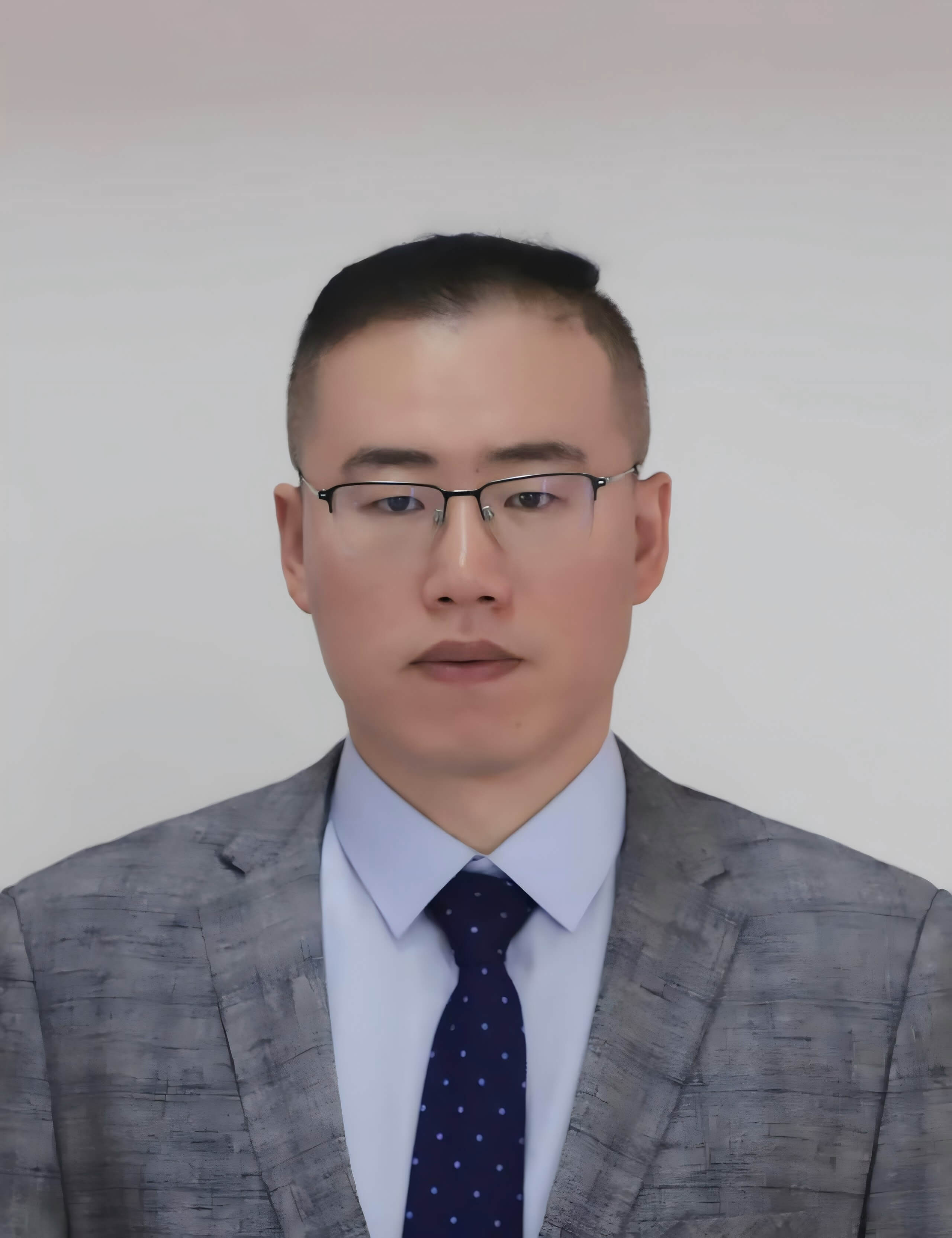
Received his Ph.D. from the University of Georgia, and conducted postdoctoral research at the University of Florida and Texas A&M University. He has long been engaged in precision agriculture and weed management research. He serves as Executive Associate Editor for European Journal of Agronomy and Weed Science, former Associate Editor for Crop Protection, and Guest Editor for the special issue “AI‑Powered Weed Management”.
Selected for Taishan Scholar Young Expert Program (Shandong Province) and “Yuandu Scholar” Program (Weifang City) in 2022. He presided over multiple projects including NSFC General Program, USDA research projects, sub‑projects of Shandong Key R&D Program. He has published more than 130 SCI papers in journals such as Computers and Electronics in Agriculture, Pest Management Science, European Journal of Agronomy.
We have collaborated on research into intelligent detection methods for potato diseases and developed the Plant Guardian intelligent detection APP. It enables rapid identification and detection of potato common scab, powdery scab, physiological lenticel enlargement and other related conditions.
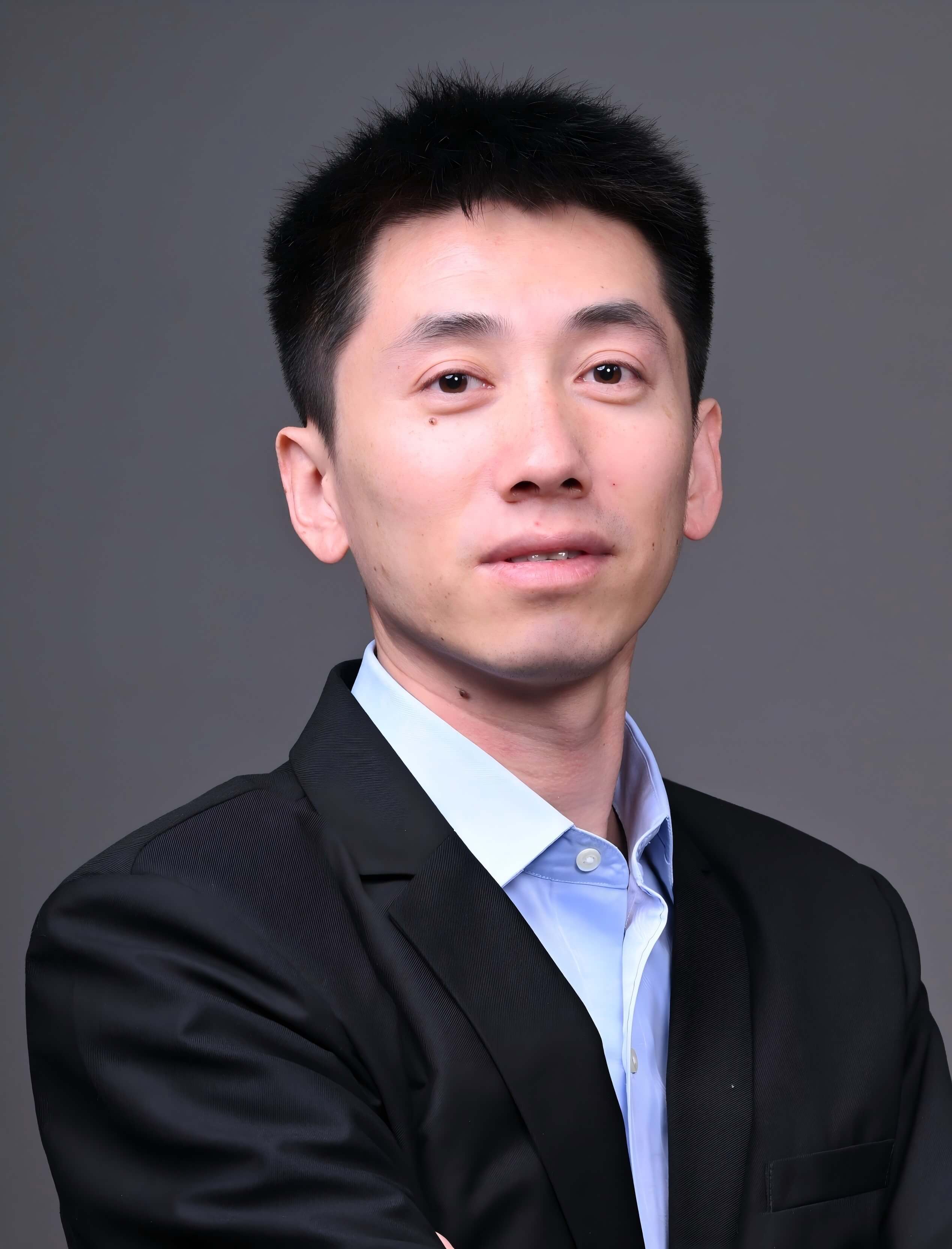
Received his Ph.D. from the Department of Microbiology and Cell Science, University of Florida, and subsequently completed postdoctoral training at Florida Citrus Research and Education Center and Stanford University. His research focuses on plant pathogenic bacteria, bacterial asymmetric cell division, and cell‑cycle regulation of unculturable bacteria.
He has been selected as a Young Top‑Talent under Guangdong Pearl River Talent Program and Category‑C Overseas High‑level Talent under Shenzhen Peacock Plan. He has led multiple projects funded by NSFC and Guangdong Natural Science Foundation.
He has published papers in high‑impact SCI journals including PNAS and mBio, holds three authorized Chinese invention patents, and works as reviewer for PLOS Pathogens, PLOS Genetics, Phytopathology etc.
He is currently collaborating with us on the pathogenic mechanisms and molecular regulation processes of Pectobacterium spp. in potato.
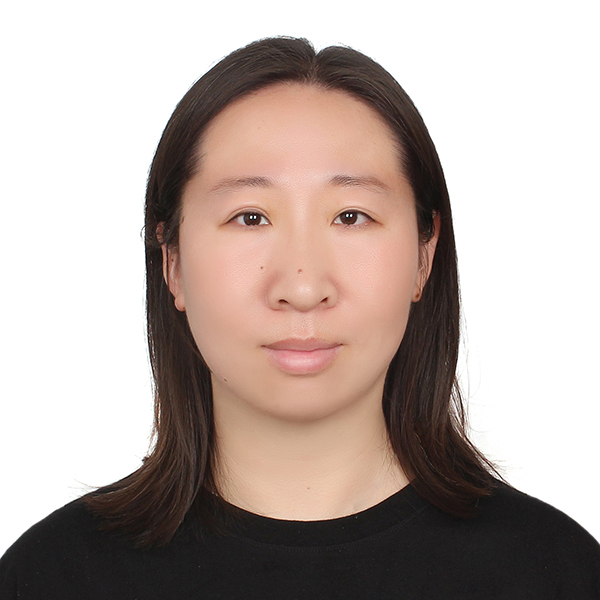
Project Investigator
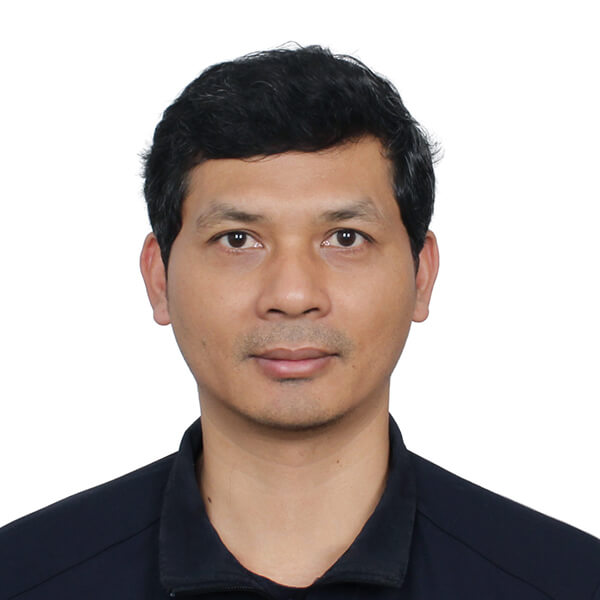
Co-Project Investigator

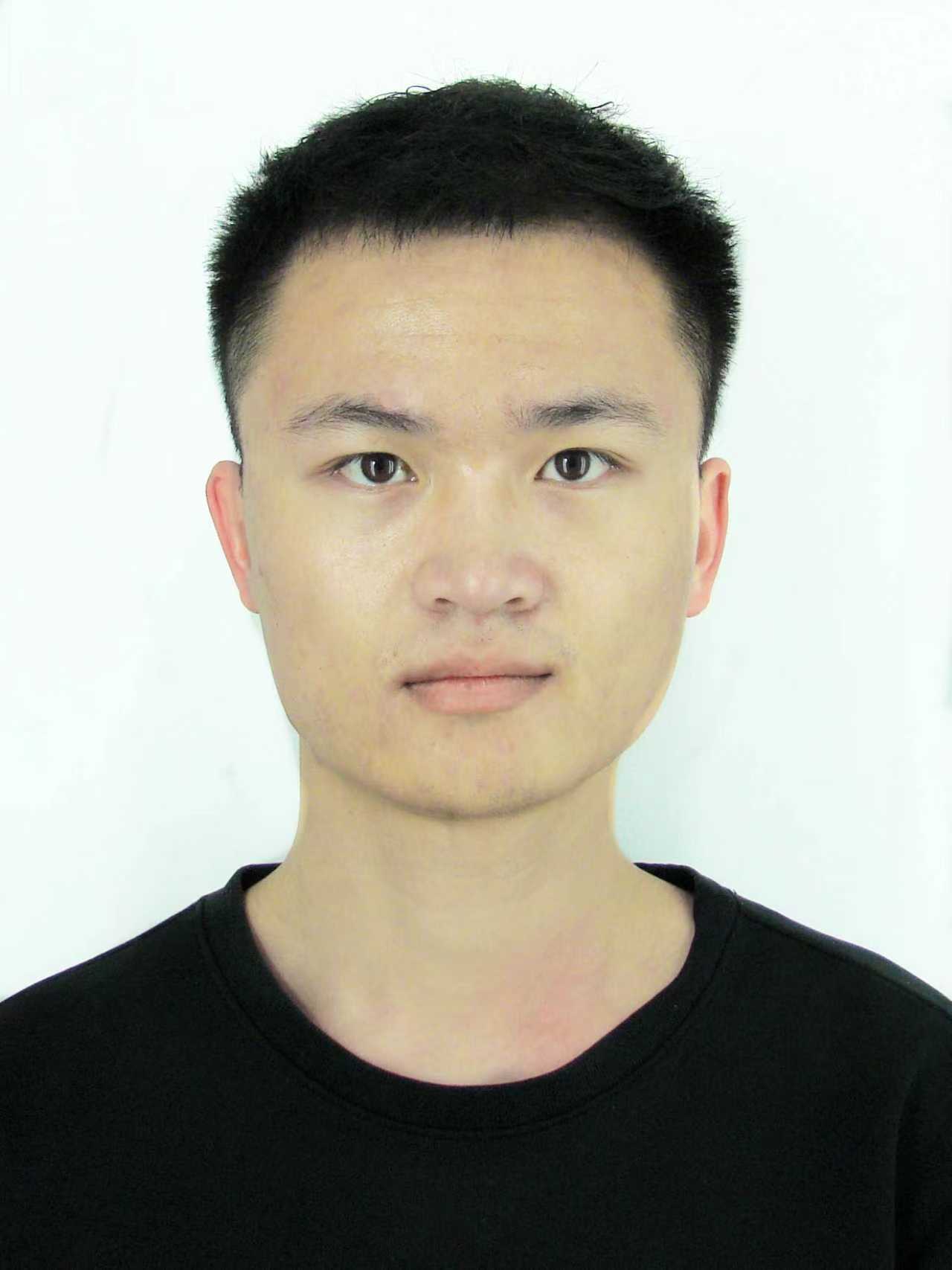
Model and Web Developer

Disease Forecasting Model Developer & Website Manager


2023 Postgraduate

2023 Postgraduate

2024 Postgraduate

2024 Postgraduate

2024 Postgraduate

2024 Postgraduate
2025 Postgraduate

2025 Postgraduate